


Leader in the American Civil Rights Movement


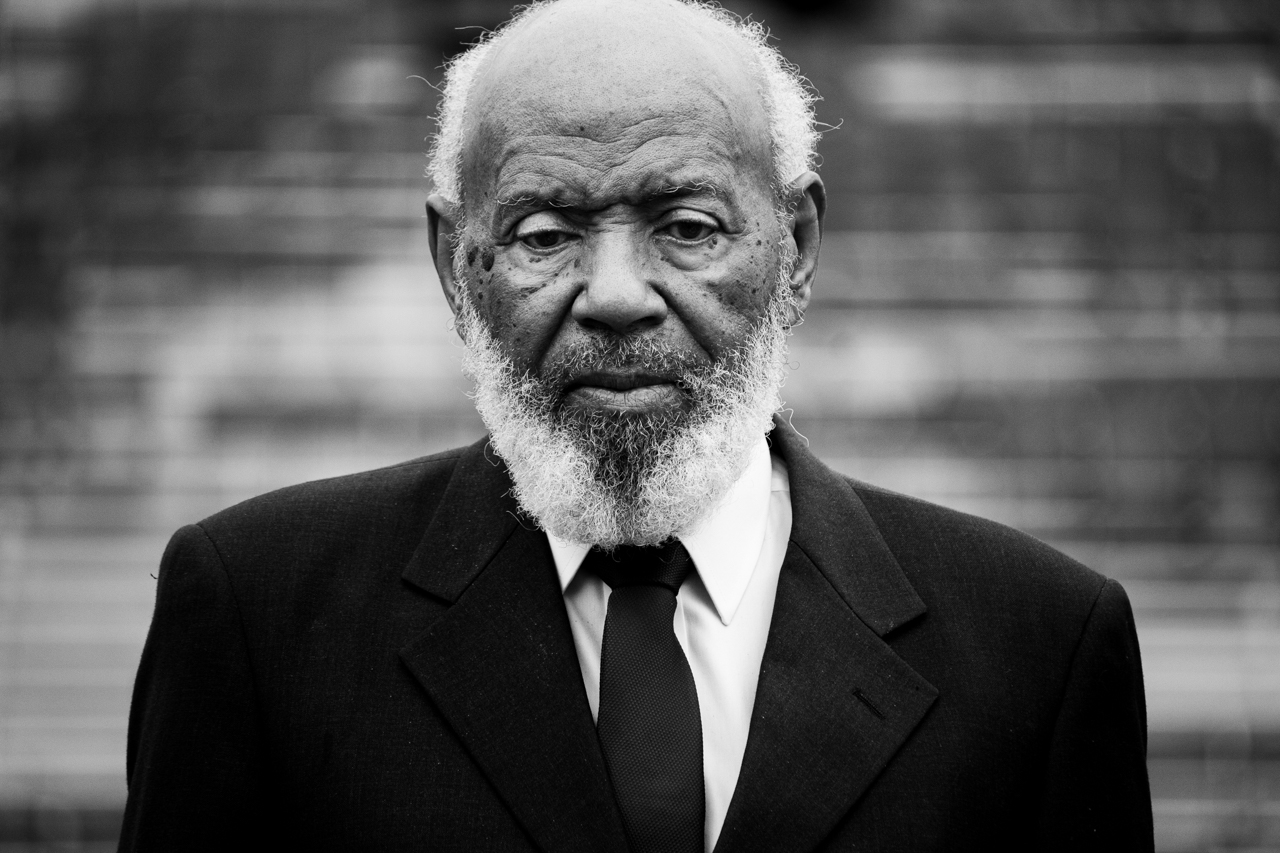
Bob Moses (January 23, 1935 - July 25, 2021)
Do you ever wonder about people who use their brains and hearts to make the world a better place? Bob Moses, born in Harlem, New York, was a brilliant mathematician and educator who became a key figure in the Civil Rights Movement. He used his intelligence to fight for equality.
Bob Moses wasn't just a teacher; he was an activist, risking his safety to register Black voters in the deeply segregated South. His work with the Student Nonviolent Coordinating Committee (SNCC) made a significant impact on the struggle for civil rights. We're grateful to Bob Moses for using his mind and courage to bring about change.
Bob Moses's life intersected with a pivotal era in American history—the Civil Rights Movement of the 1950s and 1960s. Born in Harlem, New York, in 1935, Moses came of age during a time when racial segregation and discrimination were pervasive, particularly in the South. Growing up in Harlem, he witnessed the vibrant cultural and political movements shaping African American identity.
The 1950s marked the emergence of the Civil Rights Movement, a response to systemic racism. Moses, with a background in mathematics, became involved in grassroots activism. The 1960s saw the formation of the Student Nonviolent Coordinating Committee (SNCC), and Moses played a pivotal role in organizing voter registration campaigns in the deeply segregated Southern states. Amidst the turbulence of the civil rights struggle, Moses's intellectual rigor and commitment to justice created ripples of change, contributing to the ongoing fight for equality.
The following figureheads were contemporaries of this figurehead. A contemporary is someone who shares the same era of time, engages in a similar dialogue, and contributes to a similar school of thought.




I'm a paragraph. Click here to add your own text and edit me. It's easy.

