

Pioneer in Blood Plasma Research
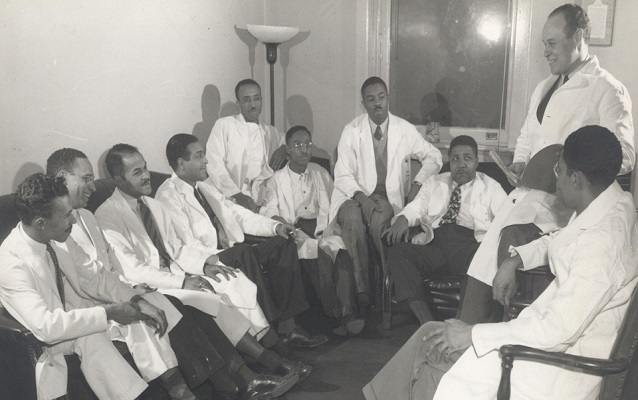

Charles Richard Drew (June 3, 1904 - April 1, 1950):
Are you intrigued by the trailblazers who revolutionized medical science and blood banking? Charles Richard Drew, born on June 3, 1904, in Washington, D.C., was a pioneering physician, surgeon, and medical researcher known for his groundbreaking work in blood transfusion.
Charles Drew's contributions to medicine were pivotal during World War II. He organized the first large-scale blood bank and developed techniques for the long-term preservation of blood plasma, a critical advancement in the field of transfusion medicine. Drew's work laid the foundation for the establishment of the American Red Cross Blood Bank.
Despite facing racial discrimination, Charles Drew's legacy endures as a testament to his impact on the medical field and advancements in blood science. His contributions to blood banking have saved countless lives, and his advocacy for equitable blood donation practices continues to resonate in the ongoing efforts to ensure a diverse and accessible blood supply.
The following figureheads were contemporaries of this figurehead. A contemporary is someone who shares the same era of time, engages in a similar dialogue, and contributes to a similar school of thought.



:max_bytes(150000):strip_icc()/daniel_hale_williams_2-5c34a4fc46e0fb0001ea908a.jpg)